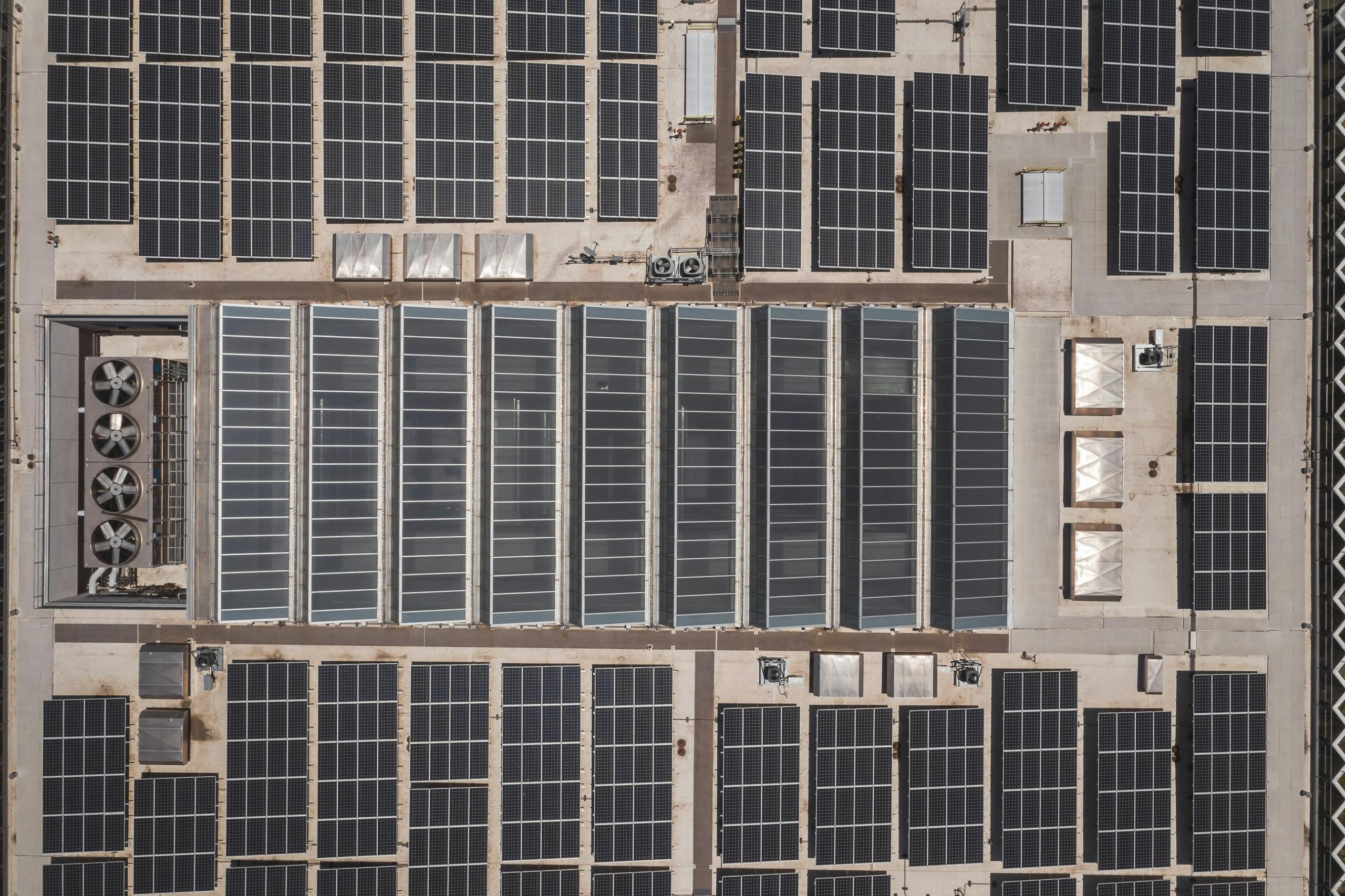
Fostering Client Involvement in Australia’s Renewable Future
Australia stands at the forefront of renewable energy innovation, with an ambitious vision to integrate solar technology into everyday living. Among the initiatives propelling this movement, the Solar for Apartments Residents (SoAR) grant aims to democratize access to solar energy for residents in multi-unit dwellings—a group historically left behind in the solar revolution.
Newcastle and the Hunter region lead the nation in making real progress towards a clean energy future with new infrastructure investments being announced and coming online at a rapid pace (such as the Waratah Super Battery).
A Bright & Duggan Hunter (B&D), we make a concerted effort to inform and engage client,s and many of our clients have applied for the grant (some of which have already been approved).
This grant enables schemes to install solar benefiting individual apartment occupiers, using revolutionary solar sharing systems. The return on investment of the program after the grant is huge, with a payback period of c. 2-3 years in some cases.
The Vision Behind the Solar for Apartments Program
The SoAR program was launched to address a pressing challenge: while rooftop solar has become commonplace for standalone homes, apartment residents have traditionally faced significant barriers. These include technical complexity, issues of shared ownership, and decision-making processes that often frustrate progress. The program seeks to bridge these gaps, offering tailored pathways and incentives for strata communities to enjoy the financial and environmental benefits of solar power.
Bright & Duggan: Champions of Client Involvement
Acting Quickly
The SoAR program was announced in February 2025, and expressions of interest opened immediately.
B&D quickly reviewed our portfolio of schemes in the Hunter region and we reviewed applicable schemes (being schemes 3-55 lots with a residential component and no existing shared solar system).
We established that around 40 schemes were applicable for the program, and after gaining consent from the individual client, registered their interest in the scheme and commenced a feasibility study via solar companies.
Once we had a feasibility, our managers engaged with the committee to confirm further interest and identify who on the committee would ‘champion’ the project.
Of the 40 applicable schemes, we ended up with around 12 schemes that have applied for the grant. Some schemes were keen but had other current priorities (e.g. remedial works), and in all cases, have the benefit of a feasibility study for later use.
A Proactive Approach to Education
One of the most significant hurdles to participation in solar initiatives among apartment owners and residents is the lack of understanding about the feasibility and benefits of solar technology in multi-dwelling contexts. The B&D teams have developed comprehensive educational campaigns, including:
· Hosting webinars and in-person information sessions demystifying the SoAR program, explaining government rebates, and breaking down technical jargon.
· Developing easy-to-understand guides and infographics tailored for owners’ corporations, highlighting case studies and success stories.
· Facilitating Q&A sessions and workshops where residents can voice concerns and receive expert advice from solar consultants and engineers.
Building Consensus in Diverse Communities
The diversity of residents in apartment complexes presents unique challenges in reaching consensus about shared investments. The B&D teams have pioneered approaches to consensus-building, such as:
· Orchestrating community forums that encourage open dialogue among owners, tenants, and committee members.
· Implementing transparent voting processes and offering neutral third-party facilitation to ensure all voices are heard.
· Presenting clear financial projections that illustrate payback periods, estimated savings, and the value added to the property through solar installation.
Through these strategies, the teams have transformed what might have been contentious or stagnant meetings into productive, forward-thinking collaborations.
Partnering with Industry Experts
Recognising that the successful adoption of solar systems requires more than administrative support, B&D have cultivated partnerships with solar installers, technical consultants (such as Sustainability Now and Wattblock), and government agencies. This approach brings several advantages:
· Clients gain access to vetted professionals who ensure high-quality, customised installations suitable for individual building layouts.
· Owners’ corporations can leverage expert advice on system design, grid connection, and energy monitoring solutions.
· Access to exclusive government pilot programs and subsidies is streamlined through these established networks.
Tailored Solutions for Complex Properties
Apartment buildings vary significantly in structure and energy needs. The teams have worked closely with clients to develop tailored solutions that maximize the benefits of solar for each unique site. Their services include:
· Conducting detailed site assessments to evaluate roof space, sunlight exposure, and electrical infrastructure.
· Designing bespoke solar systems that can serve both common areas and individual units, ensuring equitable distribution of benefits.
· Assisting with grant applications and navigating regulatory requirements specific to strata properties.
Real-World Outcomes: Success Stories and Measurable Impact
The efforts of the B&D team and the schemes that have been implemented are translating into measurable outcomes. Across multiple apartment complexes, we are predicting the following
· Significant reductions in common area and apartment energy costs.
· Solar benefits are available to tenants, reducing their energy costs and potentially generating higher rents for the landlord.
· Improved property values and increased interest from environmentally conscious buyers and tenants.
· Greater community cohesion, as residents unite around shared sustainability goals.
· Enhanced awareness and adoption of related green initiatives, such as battery storage and electric vehicle charging.
We look forward to sharing specific case studies in time.
Overcoming Challenges and Looking Ahead
Despite their success, the teams continue to navigate challenges, including:
· Ensuring equitable cost and benefit sharing among resident owners and tenants (e.g. commercial owners/occupants were not able to participate in the scheme, and this created several issues with mixed-use schemes).
· Keeping pace with evolving government regulations and incentive programs (acting quickly is tough and requires significant commitment of busy resources).
· Addressing technical limitations in older buildings with less compatible infrastructure.
Through ongoing dialogue, adaptability, and advocacy, we have addressed these hurdles and educated ourselves along the wa,y which in turn enhances our ability to serve all schemes.
The Broader Significance: Leading the Way in Sustainable Living
Beyond immediate economic and environmental gains, the involvement of Bright & Duggan Hunter’s clients in the Solar for Apartment Residents program signals a shift in Australia’s approach to urban sustainability. By empowering apartment communities to participate in the clean energy transition, our teams are not only reducing carbon emissions but also setting new standards for community-driven change.
Their work demonstrates that with the right support, education, and partnership, even the most complex strata environments can embrace renewable energy. As demand for sustainable living grows, the tireless efforts of these strata management leaders promise to inspire further innovation, making solar energy accessible to all—one apartment at a time.
In sum, the path blazed by Bright & Duggan Hunter in fostering client participation in the Solar for Apartments program is a model of how collaboration, ingenuity, and commitment can reshape the future of energy in Australian cities. The ripple effects extend far beyond individual properties, lighting the way towards a greener, more inclusive tomorrow.
